
Introduction : The Most Common Question in Web Development
In the world of web development, there is one question that gets asked more than any other: “How much does a website cost? how much does a website cost It’s the first thing every entrepreneur, small business owner, and marketing manager wants to know. Unfortunately, the most honest answer is often the most frustrating one: “It depends.” This answer is frustrating because it feels evasive. But the reality is that asking “how much does a website cost” is like asking “how much does a car cost?”
The answer depends entirely on what you need. Are you looking for a basic, reliable sedan to get from A to B, or are you in the market for a high-performance, luxury sports car with custom features? The price difference is enormous, and the same is true for websites. how much does a website cost The goal of this ultimate guide is to demystify that “it depends” answer. We will break down every single factor that influences the cost of a website. By the end of this article, you will not only understand how much a website costs, but you will also be empowered to budget confidently and make an informed decision when investing in your digital presence.
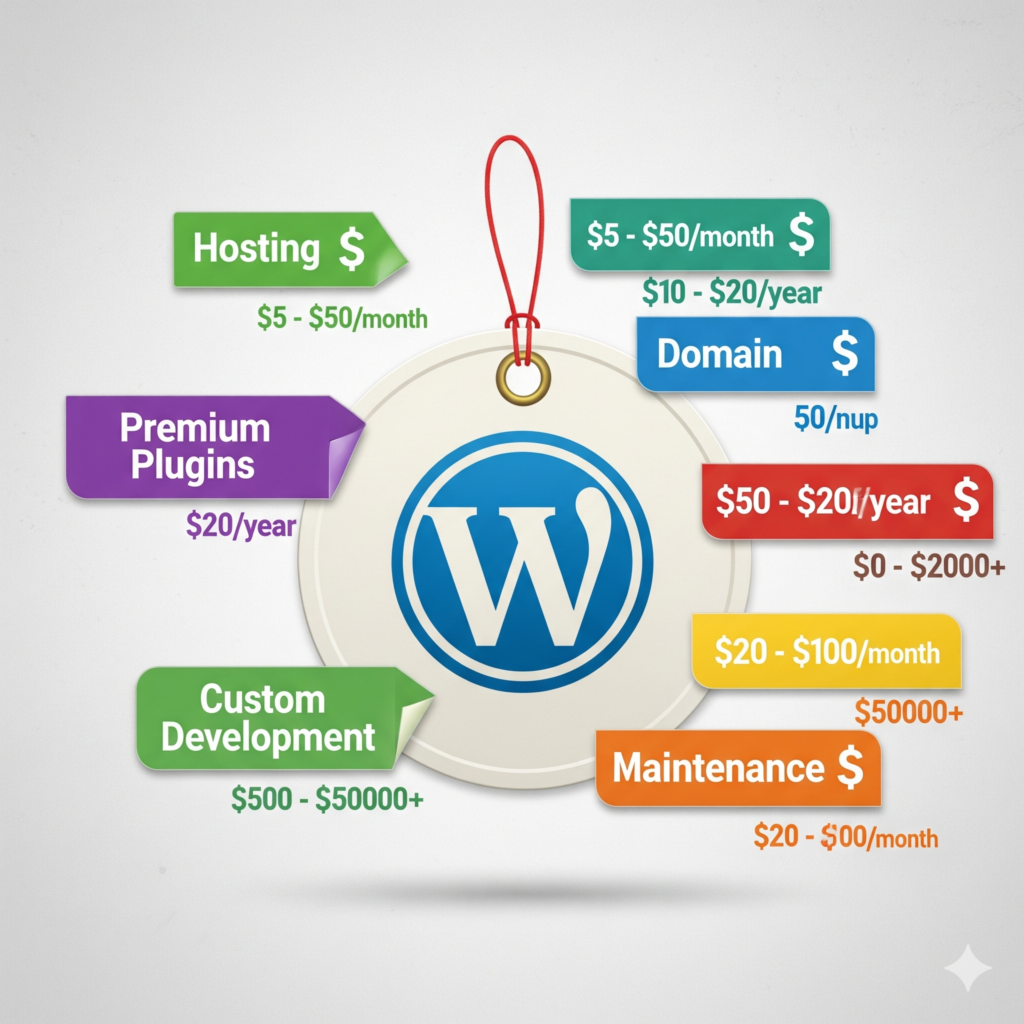
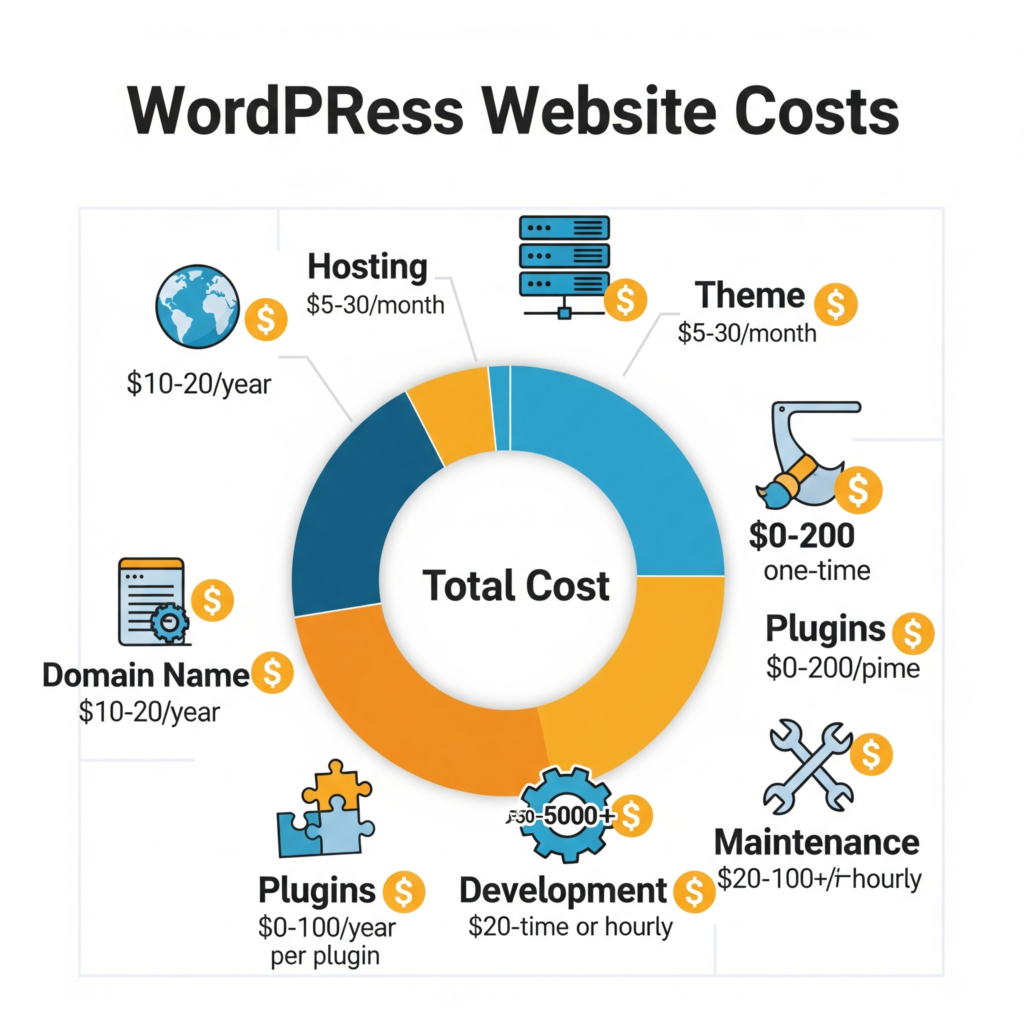
The Core Components of Website Cost how much does a website cost
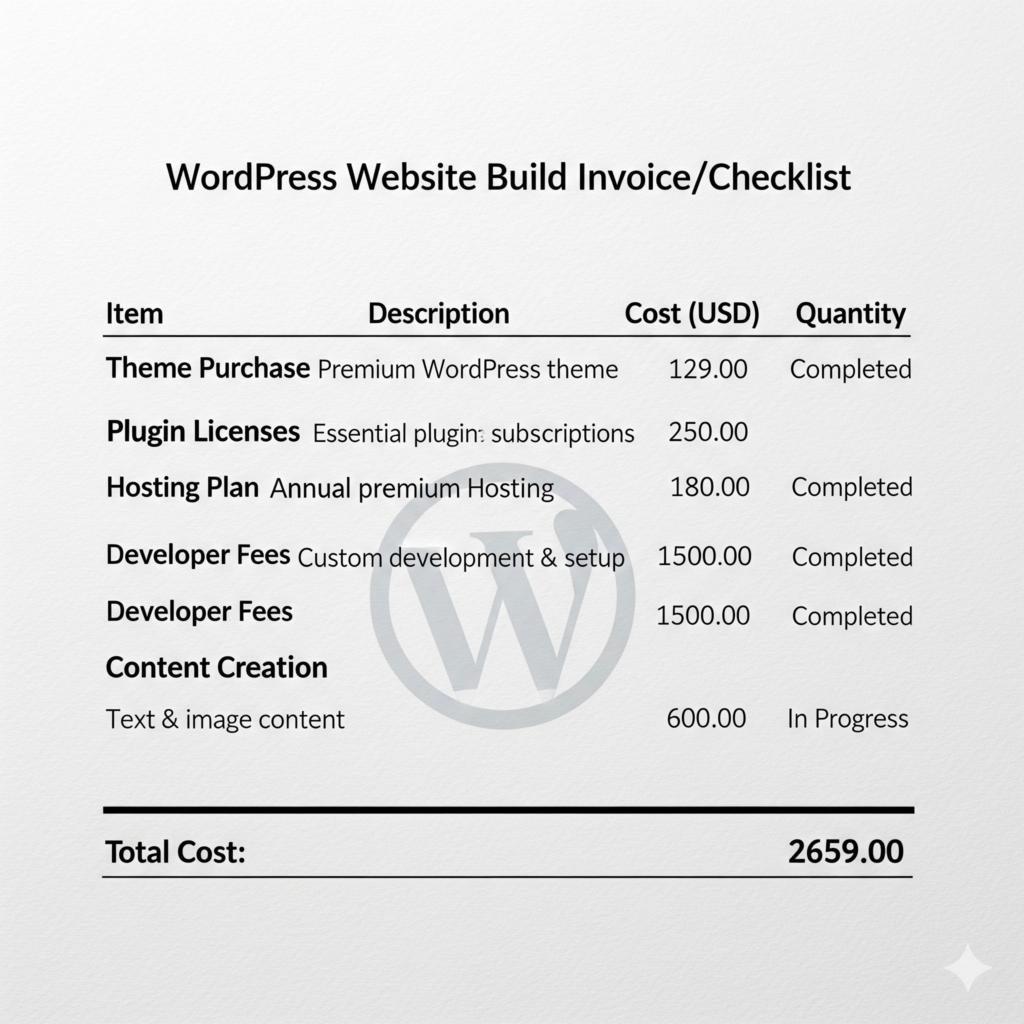
from cheap Shared Hosting plans to more robust and secure Managed WordPress Hosting, which is highly recommended for any serious business. Additionally, while free website themes exist, a Premium WordPress Theme provides a much more professional foundation with better design, features, and dedicated support, usually for a one-time fee. Finally, to add specific functionality, you’ll likely need various Premium Plugins for features like advanced contact forms, performance optimization, or enhanced security, which often come with annual renewal fees.
The Biggest Factor: The Design & Development Cost
The largest and most variable component of your total website cost is the design and development itself. The question of how much does a website cost truly depends on who builds it and their level of expertise. The most accessible entry point is the DIY Website Builder, such as Wix or Squarespace. While these are the cheapest options on a monthly basis, they come with significant limitations in customization and performance, and you never truly own your digital asset.
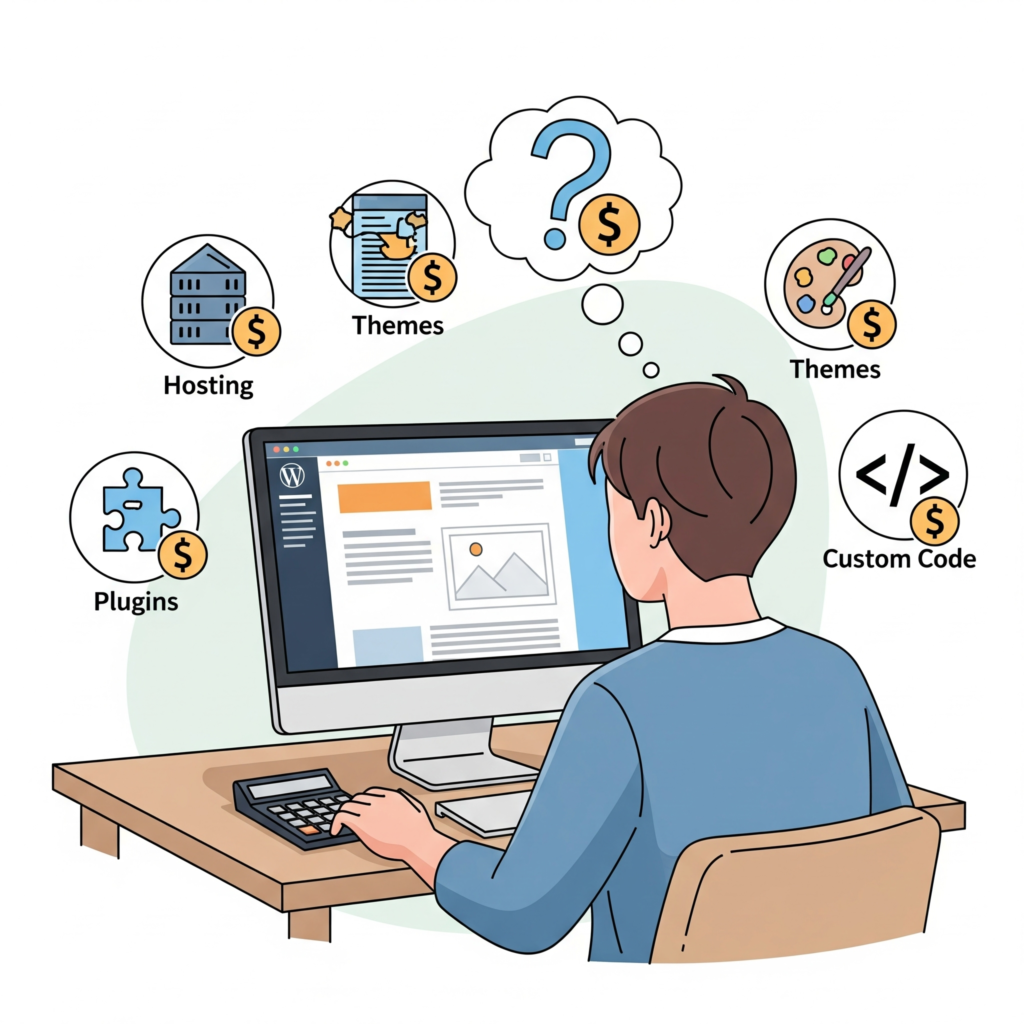
A significant step up from the DIY route is hiring a freelancer. The freelance market is vast, and so are the price ranges. A beginner or offshore freelancer may offer a very low upfront cost, but this path carries the risk of poor code quality, communication barriers, and missed deadlines. For a much more reliable and professional outcome, an experienced freelancer offers a fantastic value-for-money option for many small to medium-sized businesses, providing a high level of skill and direct communication.
For more complex projects, businesses often turn to a web design agency. This is the most expensive option, but it provides a dedicated team of experts, including a project manager, designer, developer, and SEO specialist. An agency offers a structured, end-to-end solution, which is ideal for businesses looking for a comprehensive and managed process from start to finish.
Website Cost by Project Type
To provide a more direct answer to how much does a website cost, it’s helpful to break down the price based on common project scopes. These estimates are generally based on hiring an experienced freelancer or a small agency .how much does a website cost For those just starting, such as with a simple blog or personal portfolio, the scope is generally straightforward. Such a site typically includes 5-10 pages, a clean design based on a premium theme, a contact form, and mobile responsiveness, with costs usually ranging from $2,000 to $5,000.
The most common request, however, is for a professional small business website. This goes beyond a simple brochure and is strategically focused on lead generation. It usually includes 10-25 pages, a semi-custom design, professional copywriting, how much does a website cost and basic SEO setup, placing the investment in the $5,000 to $12,000 range. The higher website cost here reflects the clear goal of turning visitors into paying customers.
For businesses looking to sell products online, an e-commerce website built with a platform like WooCommerce is necessary. These sites are significantly more complex, involving product pages, shopping cart functionality, payment gateway integration, and inventory management.
The cost of a website for e-commerce typically starts around $8,000 and can exceed $25,000 depending on the number of products and specific feature requirements. Finally, for businesses with unique needs that cannot be met by standard tools, a custom how much does a website cost with advanced functionality is required. This could be a membership site, a platform with custom API integrations, or an advanced booking system, with costs starting at $20,000 and rising significantly from there.
Hidden & Ongoing Costs of Owning a Website
A common mistake when asking “how much does a website cost” is forgetting to budget for long-term ownership. Beyond the initial development, the true cost of ownership includes several ongoing expenses. The most critical of these is website maintenance,
which involves regular software updates, security monitoring, and backups to how much does a website cost protect your site from threats. This is an essential recurring cost. Furthermore, a beautiful website with no traffic is useless, so a budget for SEO and digital marketing is necessary to drive visitors to the new site. Other ongoing costs include annual renewal fees for your domain, hosting, and any premium plugins, as well as potential expenses for content creation, such as professional photography or blog writing.
How to Get an Accurate Website Quote
If you want a precise answer to “how much does a website cost” for your specific project, you must provide a clear and detailed project brief to potential developers. This is the single best way to receive accurate and comparable quotes. This document should detail information about your company, the primary goals of the new website (e.g., generate more leads, sell products), and your target audience.
It is also crucial to include a list of required pages and features, examples of websites you admire, and your estimated budget range. A well-prepared brief demonstrates that you are serious about your project and enables a developer to provide you with a truly accurate quote.